A Day in the Life of our Finding Safety Project Manager
28 July 2025|Sara Muzamil
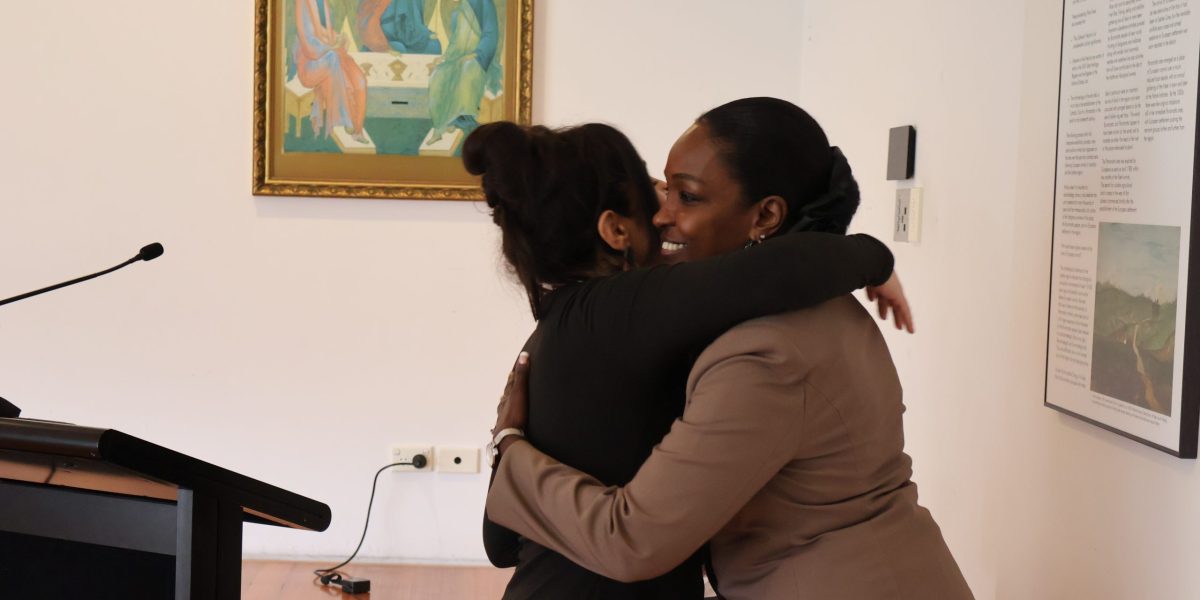
Sara Muzamil is our Finding Safety Project Manager – working every day from our Women’s Space to uplift and find safety for women and children seeking asylum.
Homelessness is a key concern for the women we serve, who often have to make the impossible choice between staying in a violent relationship, or facing homelessness with their children. In honour of Homelessness Week 2025, Sara shares a reflection about a day in her life at the Women’s Space.
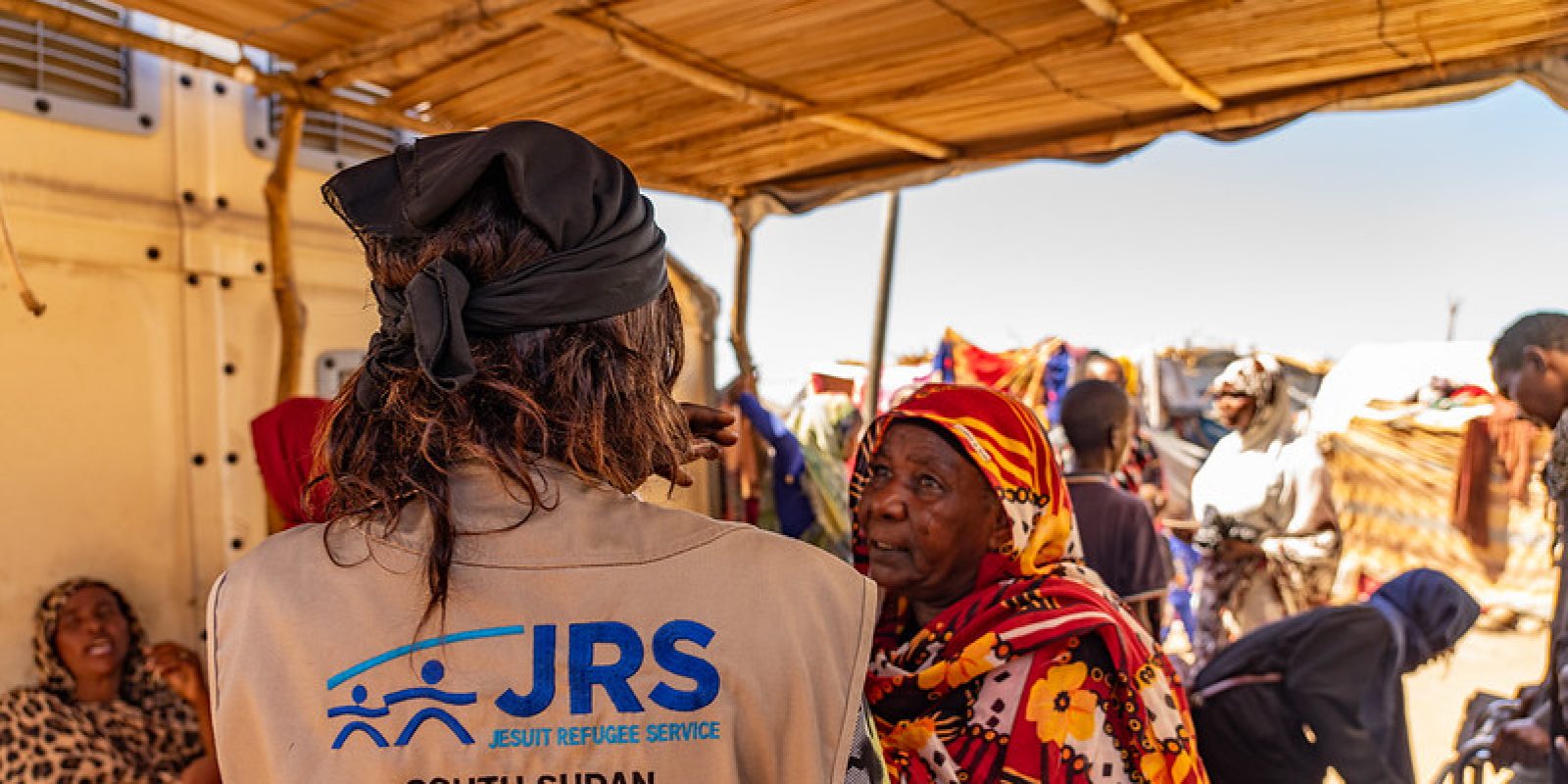
 When I arrive at the Women’s Space in the morning, I greet the staff, get my tea, and head to my office to check my calendar and emails. As Project Manager at Finding Safety, I work with women on temporary visas and women seeking asylum who have experienced or are at risk of gender-based violence.
Together with Maggie, our SGBV Specialist Caseworker, we begin the day by reviewing our priorities and sharing updates on urgent cases. The nature of this role means every day can bring unexpected emergencies that demand immediate action.
We discuss the pressing needs of our clients: a woman escaping violence who urgently needs accommodation; a family in distress due to visa uncertainty; or a mother struggling to buy food for her children. I coordinate referrals, ensure safety planning is in place, and work closely with partner services.
Our trauma-informed approach ensures that dignity, agency, and trust remain at the heart of everything we do.
Lunchtime is often shared with the women who come for English classes, wellbeing or art sessions. Today, I joined a Self-Care and Vicarious Trauma workshop, where participants were introduced to five grounding techniques. I listened, affirmed, and celebrated their resilience. Moments like these are a reminder of their strength and why we do this work.
Back at my desk, I focus on program reporting, budget allocations and future planning.
Today, I drafted a proposal for a new partnership to bring culturally appropriate counselling into the Women’s Space, an important gap we’re striving to fill.
Suddenly, Maggie flags a crisis. A woman attended her intake assessment, sharing that she was physically assaulted by her husband. She is homeless, and with her are her two daughters, aged 10 and 4. The woman is in tears, and her children cling to her, their eyes wide with fear. They’re carrying a burden no child should ever bear.
I know they have no one else, no family here, no income, no access to mainstream support because they’re on a bridging visa. I step in to calm them. I turn on the Wiggles to distract the girls and gently lead them to the playroom. The 10-year-old looks straight into my eyes and says, “Please help my mom.” I promise her I will.
We escalate the case immediately, rallying the Finding Safety team to find a refuge. But it’s nearly 3:00 PM, and every option has been exhausted. Refuges either have no vacancies, don’t accept women on temporary visas, or won’t take clients without a clear exit pathway.
By 4:00 PM, we finally secure a temporary solution: a refuge agrees to accept the family – but only in one week’s time. Until then, we must cover their accommodation and food. I gladly accept. Turning this away would mean turning them out onto the street.
We place the family in a motel, and Maggie provides gift cards for food and clothing. For now, they are safe.
At 5:00 PM, another woman walks in. She tells me she’s been abused by her partner and has been homeless for several days. Someone told her to come to JRS. She’s been spending her days at another organisation, eating, showering, resting – but sleeping in a park at night.
With Maggie now gone for a medical appointment, I begin calling every service that might assist single women. No success. I then call the manager of that organisation and explain the situation.
Thankfully, he responded with compassion and offers two nights of emergency accommodation. I helped arrange transport and dinner for her. Before she leaves, I ask her to return the next day to meet with our caseworker for more support.
It’s now 8:00 PM. The emotional weight of this job is heavy, but tonight I go to bed with some relief. Two women, and two young girls, have a roof over their heads. For now, they are safe. And that means everything.
Tomorrow, I will start again, with heart, resolve, and purpose.
I am deeply grateful to JRS and the Finding Safety project for giving me the platform to support women in need – but we cannot do it alone.
We need systemic change to ensure that women and children on temporary visas are not routinely rejected from support services, and forced into homelessness. Click here to learn more about how you can get involved this Homelessness Week.
Explore more